
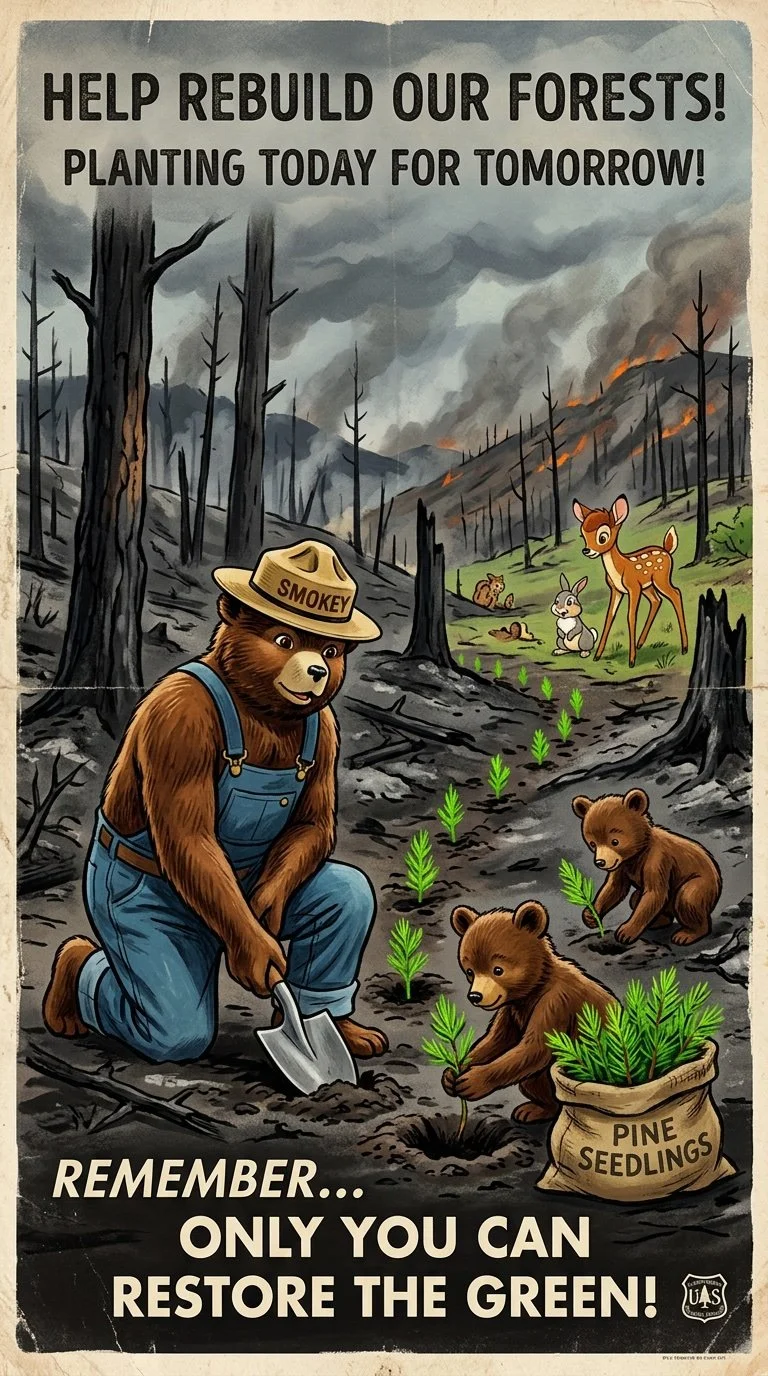
The Firestorm After the Flames: Why Post-Wildfire Forest Restoration Demands New Policies
This article by Frank Carroll argues that catastrophic wildfire is being worsened by failed federal fire policy and weak post-fire restoration practices. It calls for a new approach centered on immediate suppression, rapid salvage, hazardous fuel removal, road and soil restoration, and active forest management that uses timber and biomass markets to help fund long-term recovery.
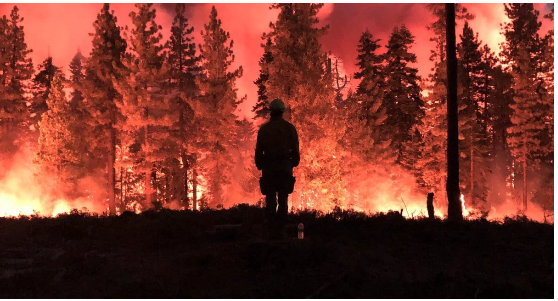
Burn Back Better? USFS Chief's Letter of Intent ProvokesRevolt in the Firefighting Community
In this opinion piece, Dana Tibbitts argues that current U.S. Forest Service fire policy places too much emphasis on “managed fire” and not enough on rapid suppression. Drawing on criticism from fire chiefs, foresters, and wildfire professionals, the article contends that delayed initial attack can worsen damage to forests, wildlife, communities, and private property across the West.
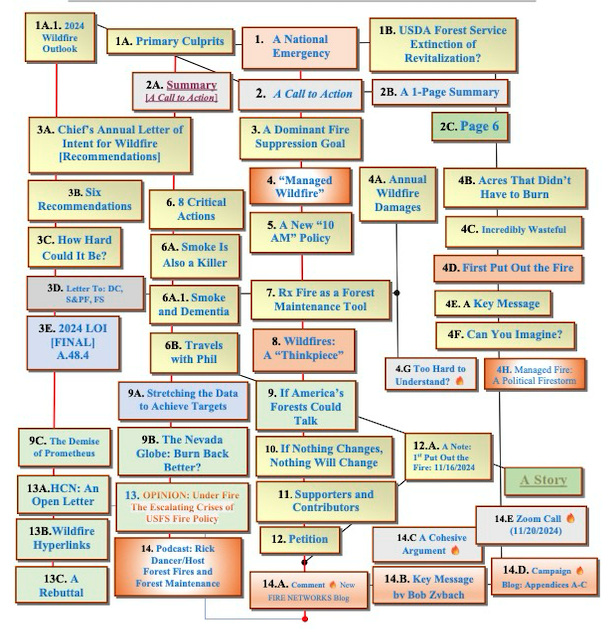
A Call to Action: A National Emergency
This compilation by Michael T. Rains argues that the United States needs a new national wildfire call to action built around one clear priority: put every wildfire out fast. Drawing on years of professional input and growing public support, it links destructive fire seasons to decades of inadequate forest maintenance and contends that aggressive initial attack, clearer national leadership, and a long-term work plan are essential to protecting forests, communities, public health, and wildlife
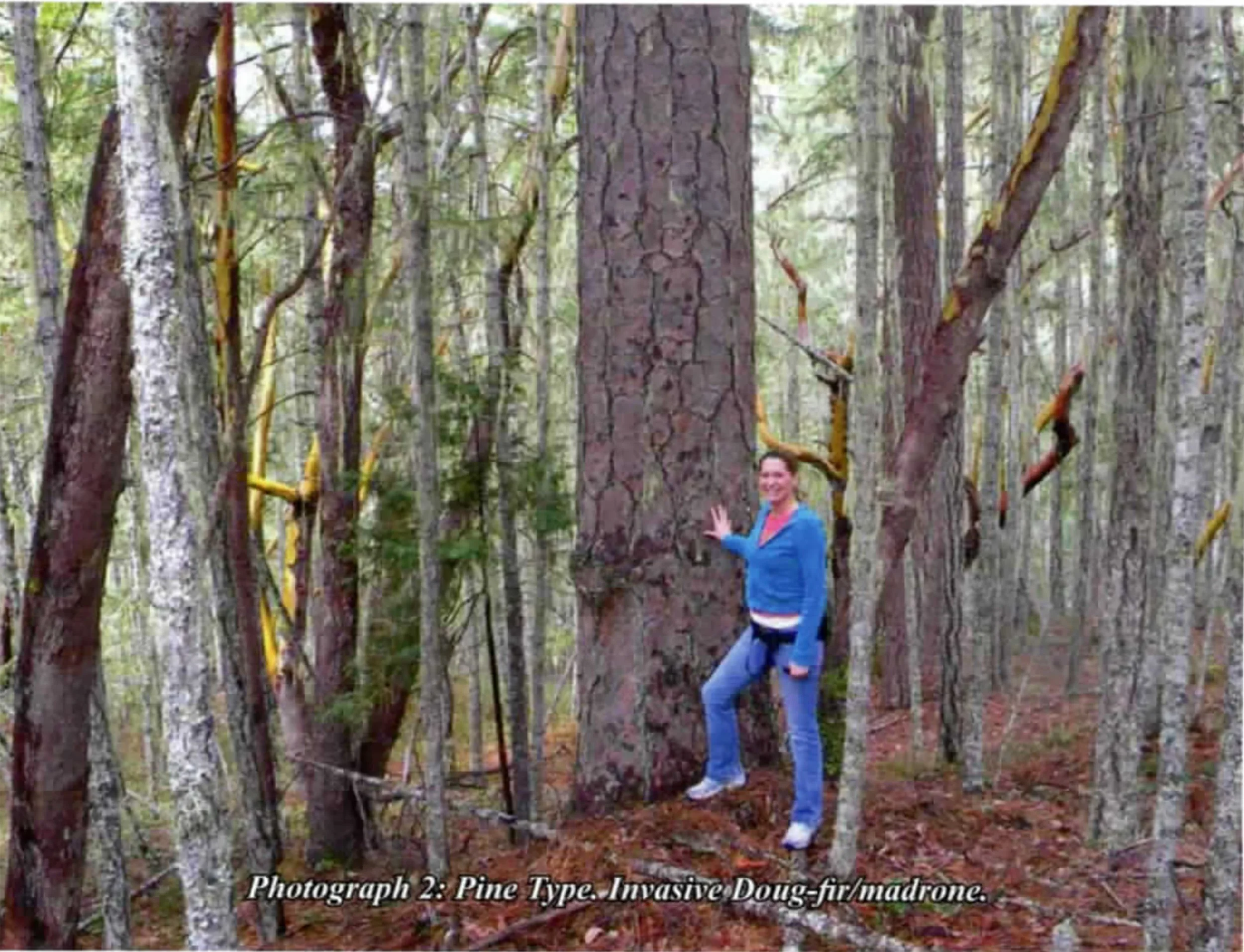
Forest Restoration: Problems and Opportunities Revisited
Dr. Bob Zybach: Western forests are facing severe decline from overcrowding, wildfire, invasive conifers, and long-term neglect, but landscape-scale forest restoration offers a practical path forward. This article argues that active management rooted in historical forest conditions can reduce catastrophic fire risk, support wildlife, revive rural economies, and return people as responsible stewards of the land.
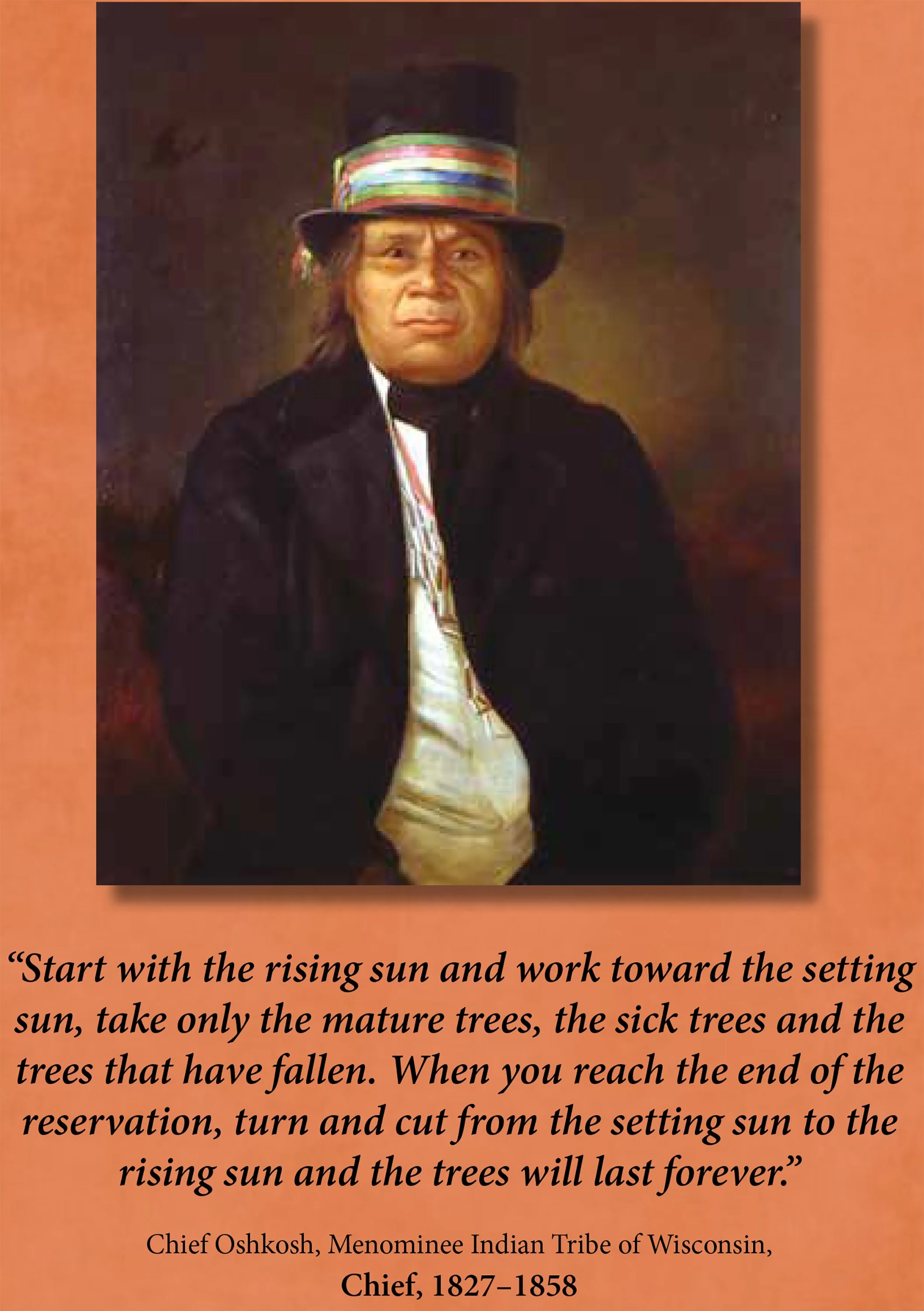
Forestry in Indian Country: Solving Federal Forestry’s Rubik’s Cube
This is Jim Petersen’s 3rd of four 10-year Evergreen reports on forests and forestry in Indian Country. This publication examines how tribal forestry blends traditional knowledge, long-term stewardship, and practical land management to care for forests across Indian Country. Drawing from the IFMAT III assessment and voices from tribal leaders, foresters, and researchers, it highlights tribal forestry as a strong model for restoring forest health, reducing wildfire risk, supporting rural economies, and strengthening the connection between land, culture, and community.
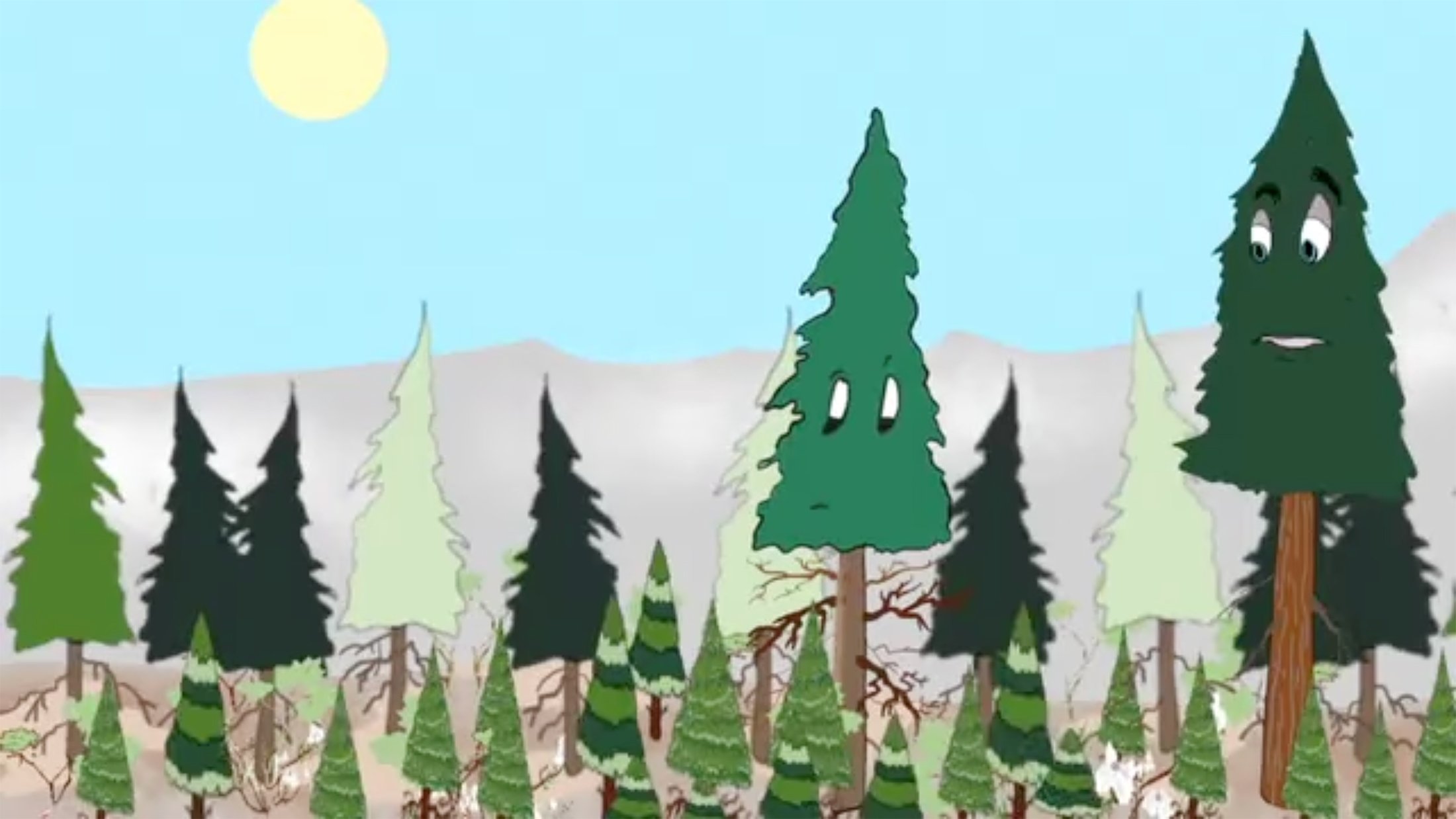
Forest Under Stress: The Video
Forest Under Stress is a 9-minute film by Rachel Hall that uses a creative forest narrative to highlight the effects of drought, declining water availability, and stress on tree root systems in southern Oregon forests. Created to build public awareness around the need for active forest management, the film earned international attention through dozens of festival selections, multiple awards, and honorable mentions.
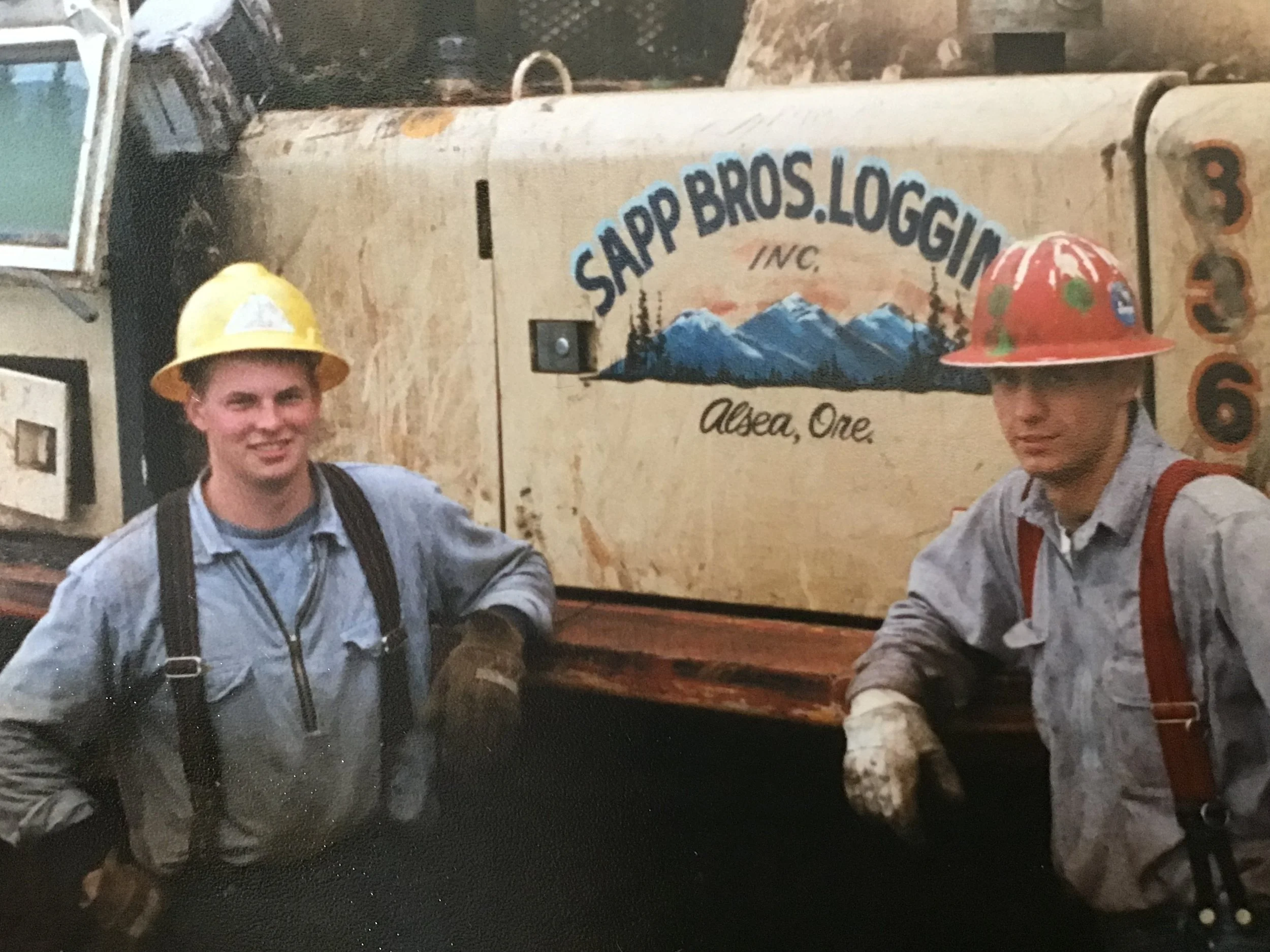
Logging, planting could thwart powerline fires
In this coauthored opinion piece, Russ Sapp and Bob Zybach argue that catastrophic powerline fires are driven less by ignition sources than by accumulated fuels near transmission corridors. Drawing on personal experience in logging, forestry, and rural power governance, they propose a practical solution: remove tall trees within striking distance of powerlines and replace them with lower-growing, productive vegetation to reduce wildfire risk, protect communities, and support local economies.
First, Put Out the Fire! and Restore Our Forests with Traditional Practices
Jim Petersen talks about the nation’s wildfire and forest health crisis as an ongoing emergency driven by overcrowded federal forests, rising tree mortality, and decades of blocked management. It calls for a return to active, science-based restoration and points to traditional tribal forestry practices as a practical model for reducing fire risk, improving forest resilience, and protecting communities.
From the Vault: 2016 National Wildfire Institute (NWI) Letter to President Trump
This archived 2016 letter from the National Wildfire Institute calls for bold action from President Trump to restore Active Management of America’s national forests. Signed by Bruce Courtright, Larry Alexander, William Derr, Ray Haupt, Dan Bailey, Lyle Laverty, Rocky Oplinger.
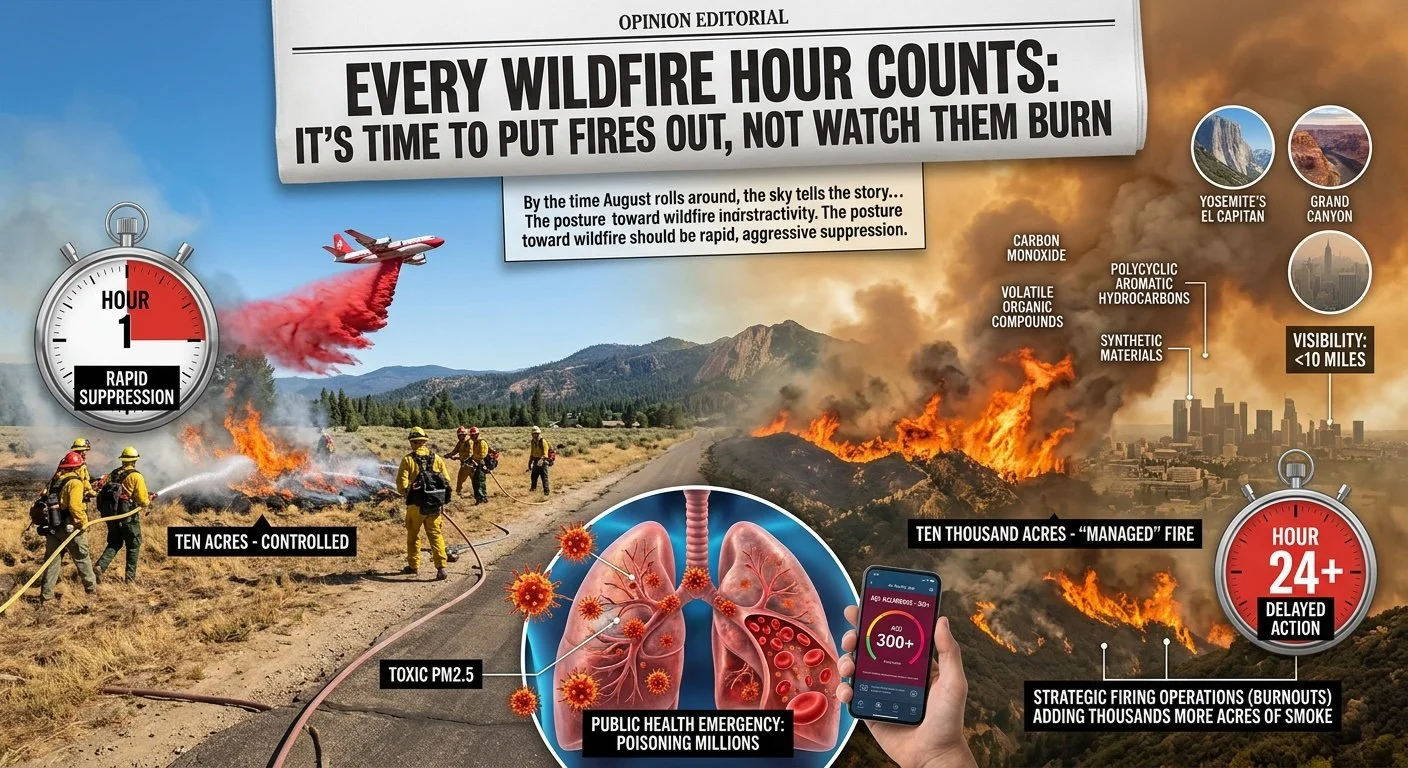
Every Wildfire Hour Counts: It's Time to Put Fires Out, Not Watch Them Burn
Frank Carroll: By the time August arrives in the American West, the sky tells the story — a sickly orange haze, emergency rooms full of wheezing patients, and fires that could have been contained at ten acres managed into ten thousand. The science is clear: wildfire smoke's fine particulate matter enters the lungs and bloodstream, and may be more toxic per unit of exposure than particles from other sources. The default approach must be quick, aggressive suppression. Put the fires out. Put them out early. Put them out small. Lives depend on it.
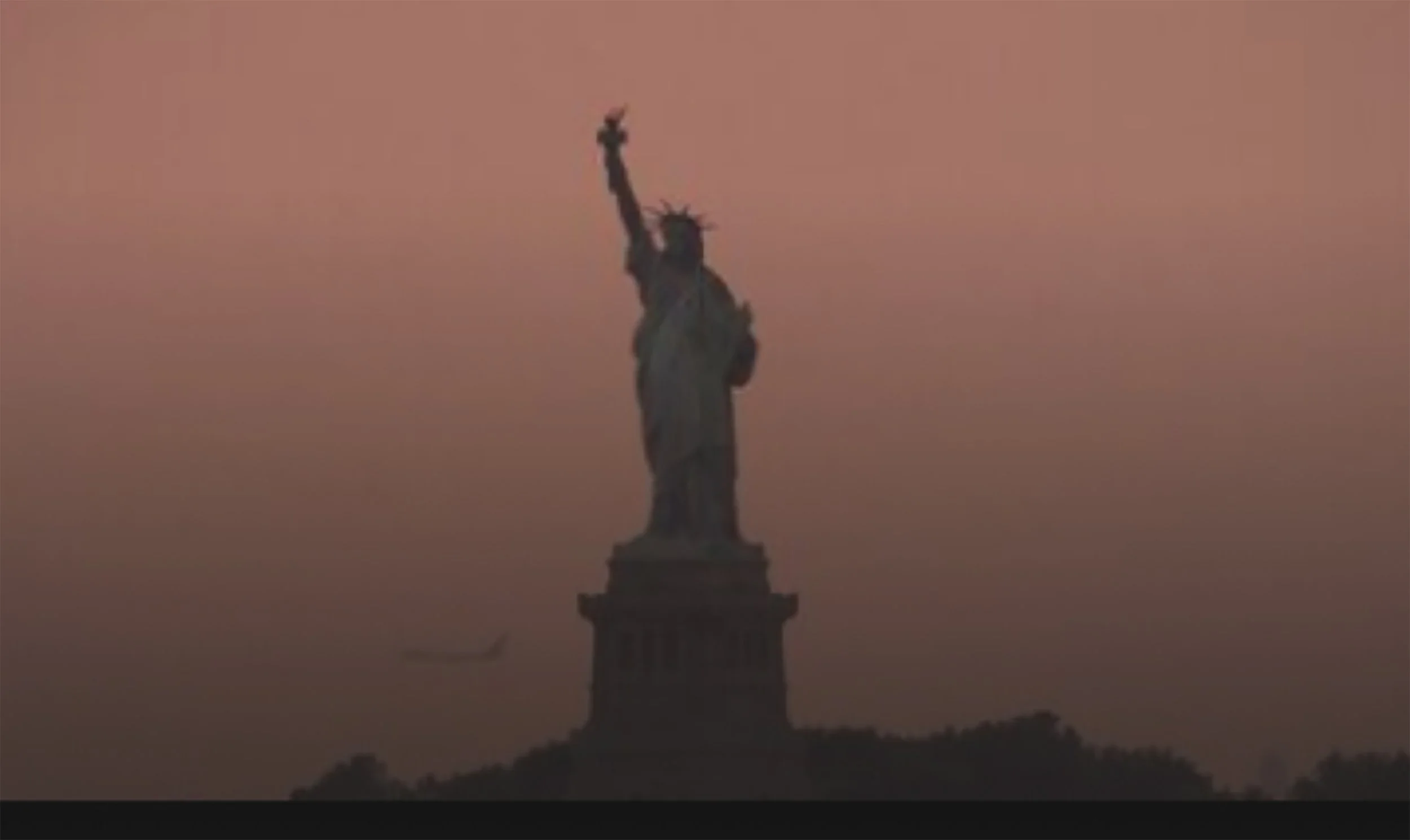
Another Year Of Deadly Wildfire Smoke?
In this article David L. Auchterlonie shows The WHO, the Lancet, the National Academy of Sciences, and dozens of peer-reviewed studies have reached the same conclusion: wildfire smoke is carcinogenic. It is linked to COPD, cardiovascular disease, and even autism in children — and kills an estimated 24,000 Americans every year. School closures, orange skies over New York City, and uninsurable homes are no longer anomalies. They are the new normal. We are close to a tipping point, and the science says we cannot afford another season of inaction.
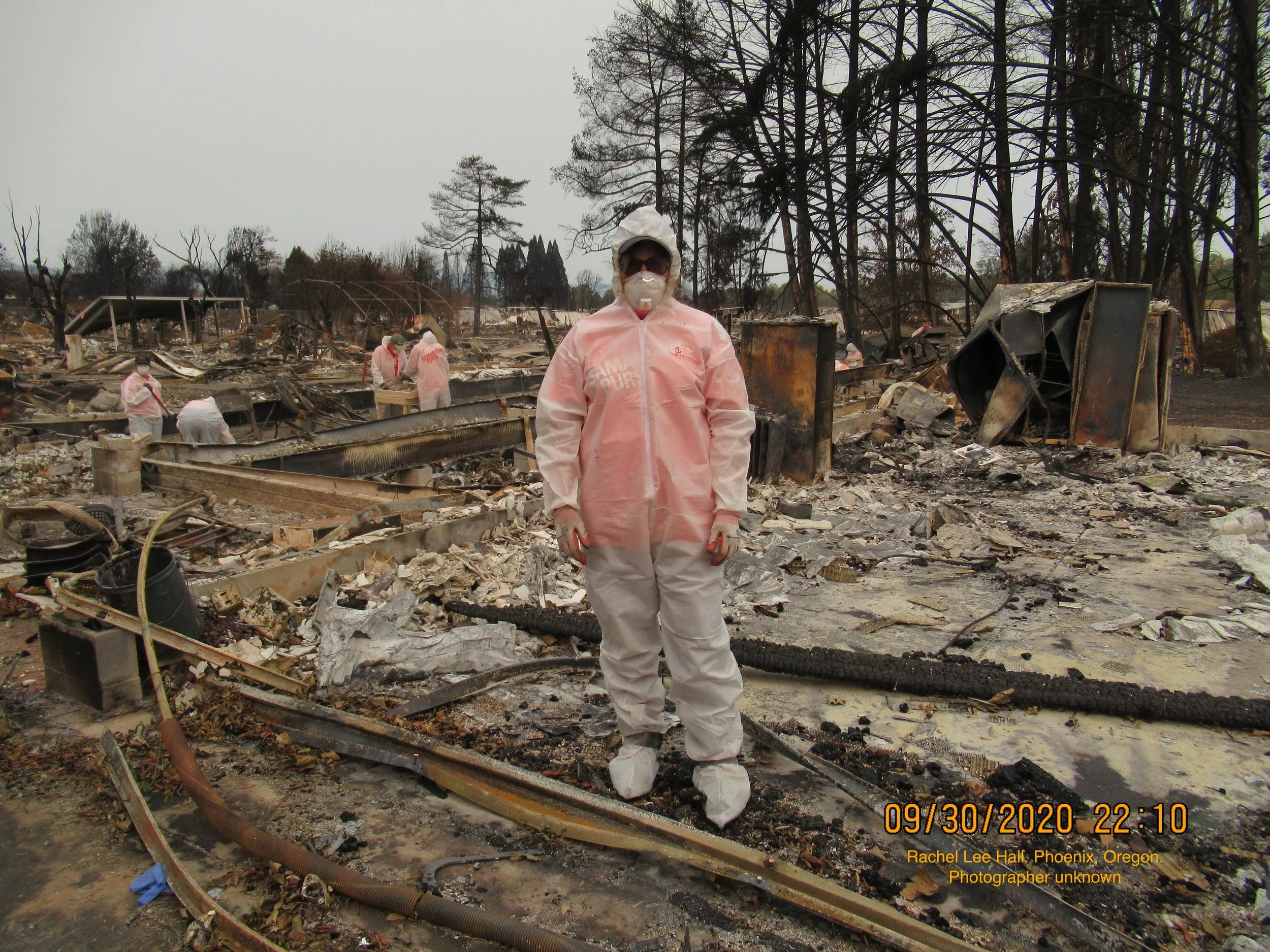
The Pack-A-Day Club, Reconsidered
Jim Petersen & Julia Petersen: For years, westerners reached for a blunt comparison: breathing heavy wildfire smoke felt like smoking a pack of cigarettes a day. The science has since caught up — and the reality is worse. Wildfire smoke is a complex chemical mix of PM2.5, carbon monoxide, formaldehyde, and nitrogen oxides that crosses state lines, floods cities, and fills emergency rooms. The flames may burn in remote forests, but smoke closes the distance. This is no longer the West's problem to endure quietly. It is the country's.
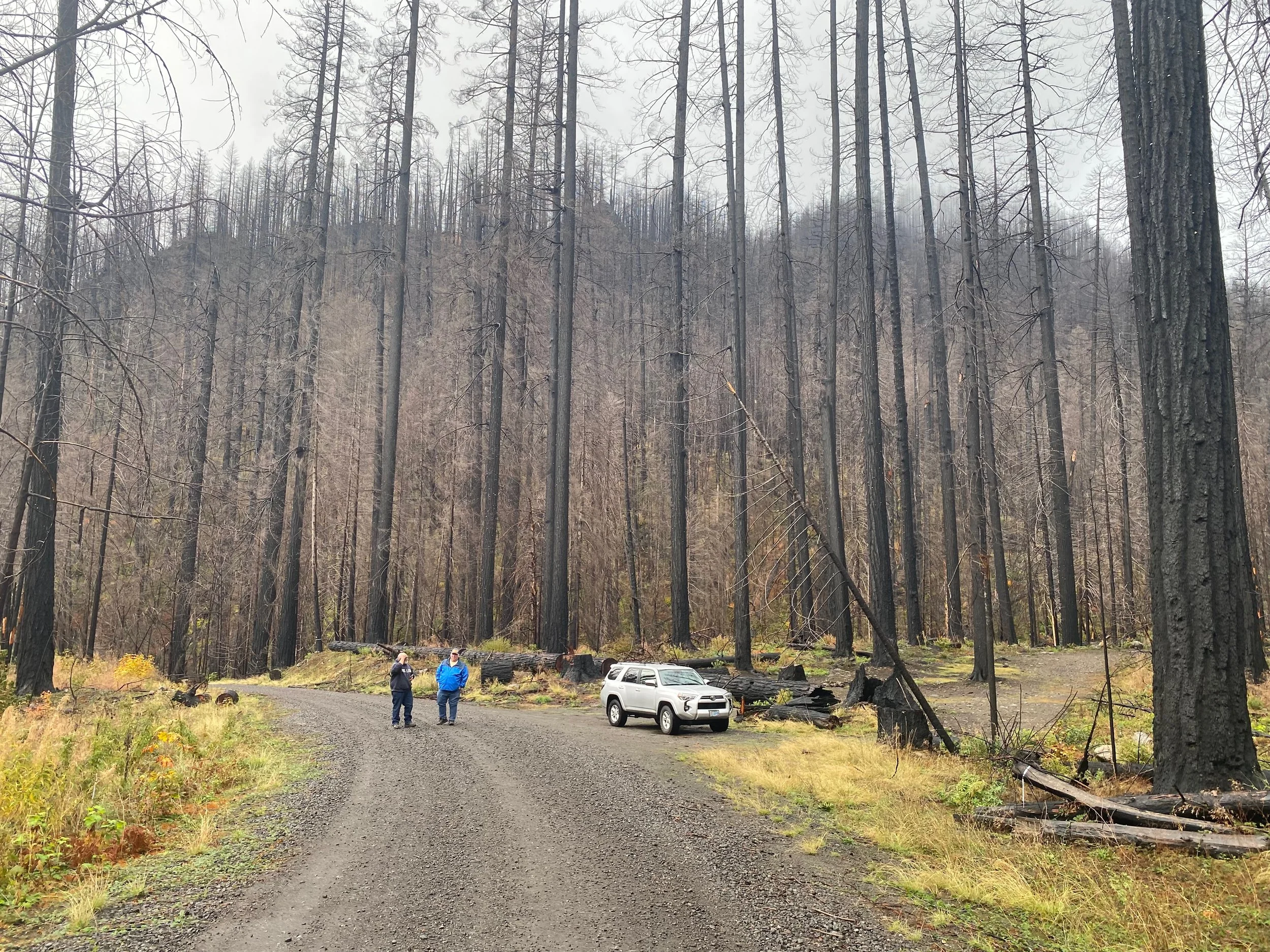
The 2022 Cedar Creek Burn & The 1897 Organic Act
Bob Zybach, The 2022 Cedar Creek Fire didn't have to burn 127,311 acres. It started at two acres, was deemed too risky for early attack, and spent a month growing unchecked before exploding on east winds in early September — blanketing Oakridge and Westfir in hazardous smoke for six weeks and costing taxpayers $132 million to fight. Two billion feet of standing timber now rot behind a locked gate, primed to burn hotter next time. The 1897 Organic Act charged the Forest Service to protect these forests for the people. What happened to that mission?
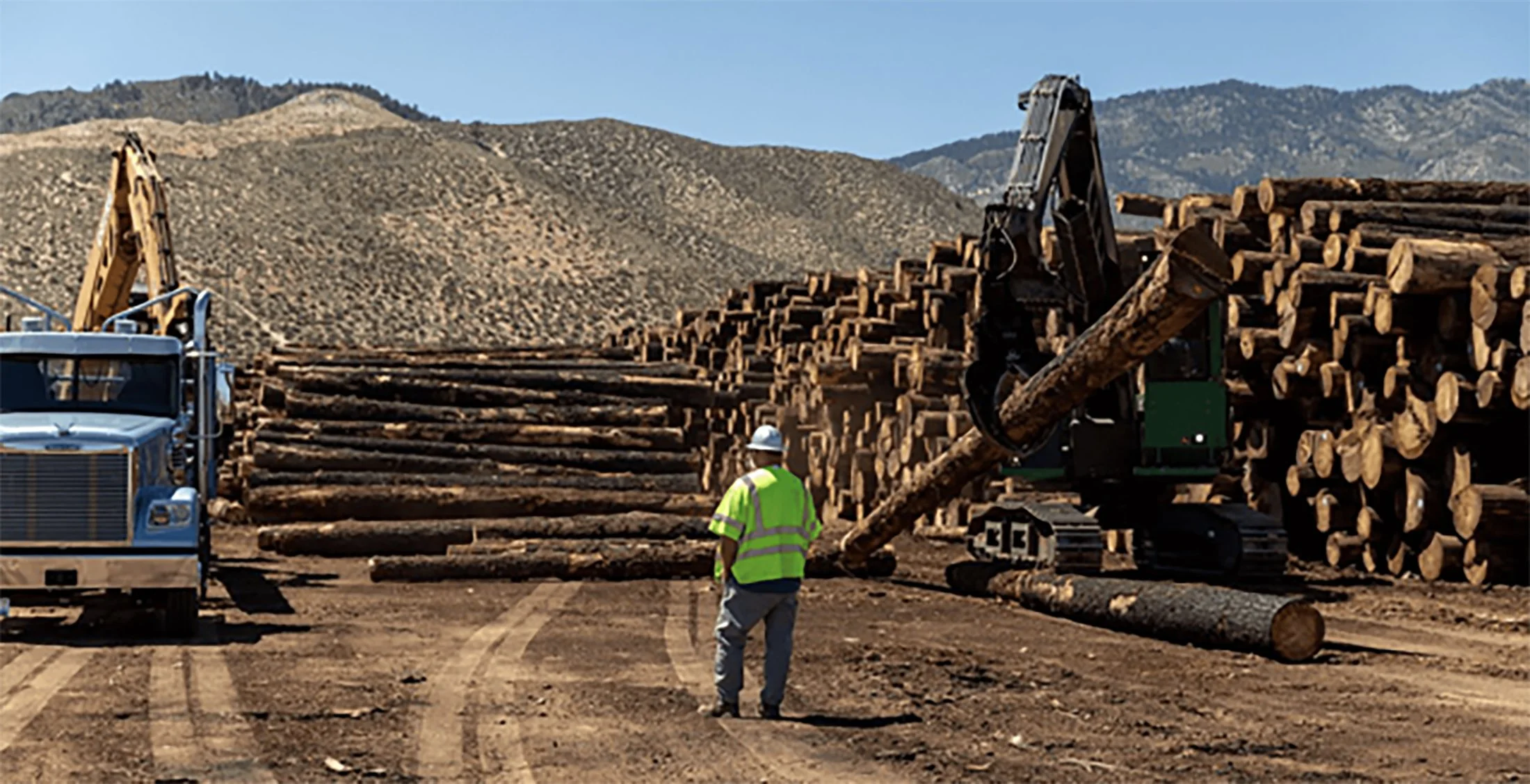
License to Burn: Wildfire As the Ultimate Public-PrivatePartnership (Part Three)
Dana Tibbitts, Tahoe Forest Products LLC was registered in Nevada just weeks before the Caldor Fire charred 222,000 acres — conveniently creating a massive supply of salvage timber selling for pennies on the dollar. What followed was a web of interlocking investors, USFS wood grants, and bi-state planning agency partnerships operating under the banner of "forest resilience." What's happening in Tahoe isn't unique. The Fire/Stewardship MOU has been federalized, and 50 million acres of USFS land are slated for "treatment." Which community is next?

Spotted Owls, Clinton Plan and Deadly Smoke: One Woman's 30-Year Fight for Forest Communities and Clean Air
Nadine Bailey stood before the 30th anniversary review of Clinton's Northwest Forest Plan with a simple question: "Why would you aspire to a plan that was an abject failure? We burnt up the very habitat we were saving from the loggers." From the 2021 Dixie Fire to the backfire that burned Greenville to the ground, Bailey has spent three decades watching mismanaged federal forests turn into catastrophic infernos — and the smoke turn her neighbors into lifelong nonsmokers with Stage 4 lung cancer. This is her testimony.
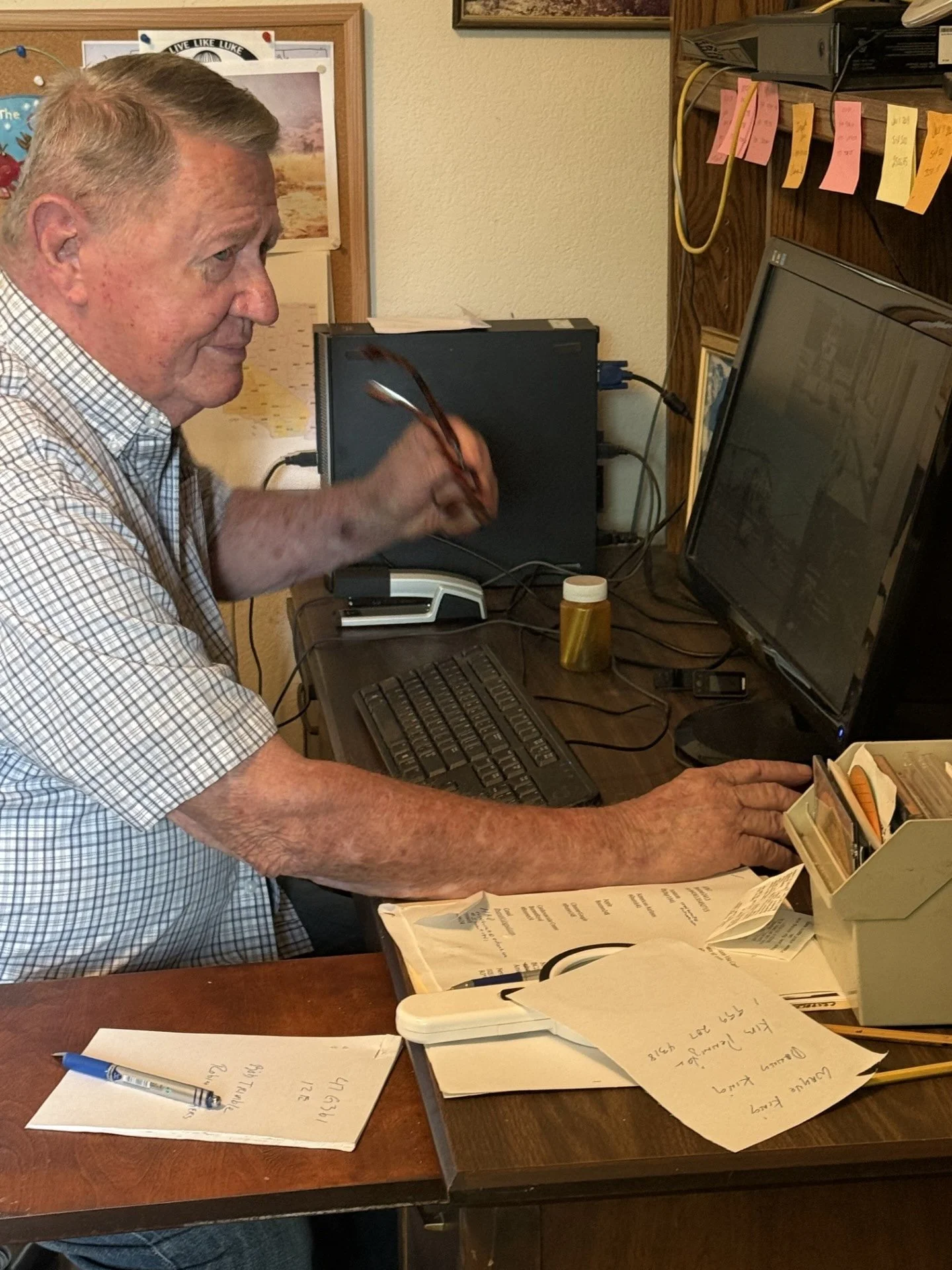
We Deserve Better: A Firsthand Case Against Federal Wildfire Mismanagement
Royal Burnett never testified before Congress, but he’s walked in the ashes of hundreds of Northern California homes and watched Federal Incident Management Teams willfully burn tens of thousands of acres under the guise of "resource benefit" — regardless of drought, fuel conditions, or land ownership. No rehabilitation plan. No watershed protection. No accountability. When federal fire policy does more harm than good, it must change. We deserve better than this.

A New Chapter for the Forest Service — But Only If We Get It Right
Frank Carroll writes about the U.S. Forest Service is relocating its headquarters, closing regional offices, and rebuilding around 15 state directors — the most sweeping restructuring in its 121-year history. Proximity to the land is a promising start, but structural reform is only as effective as the principles guiding it. Community safety, policy transparency, accountability, and land stewardship — including Indigenous cultural burning — must not get lost in the reorganization. The next chapter is being written. These four pillars must be on every page.
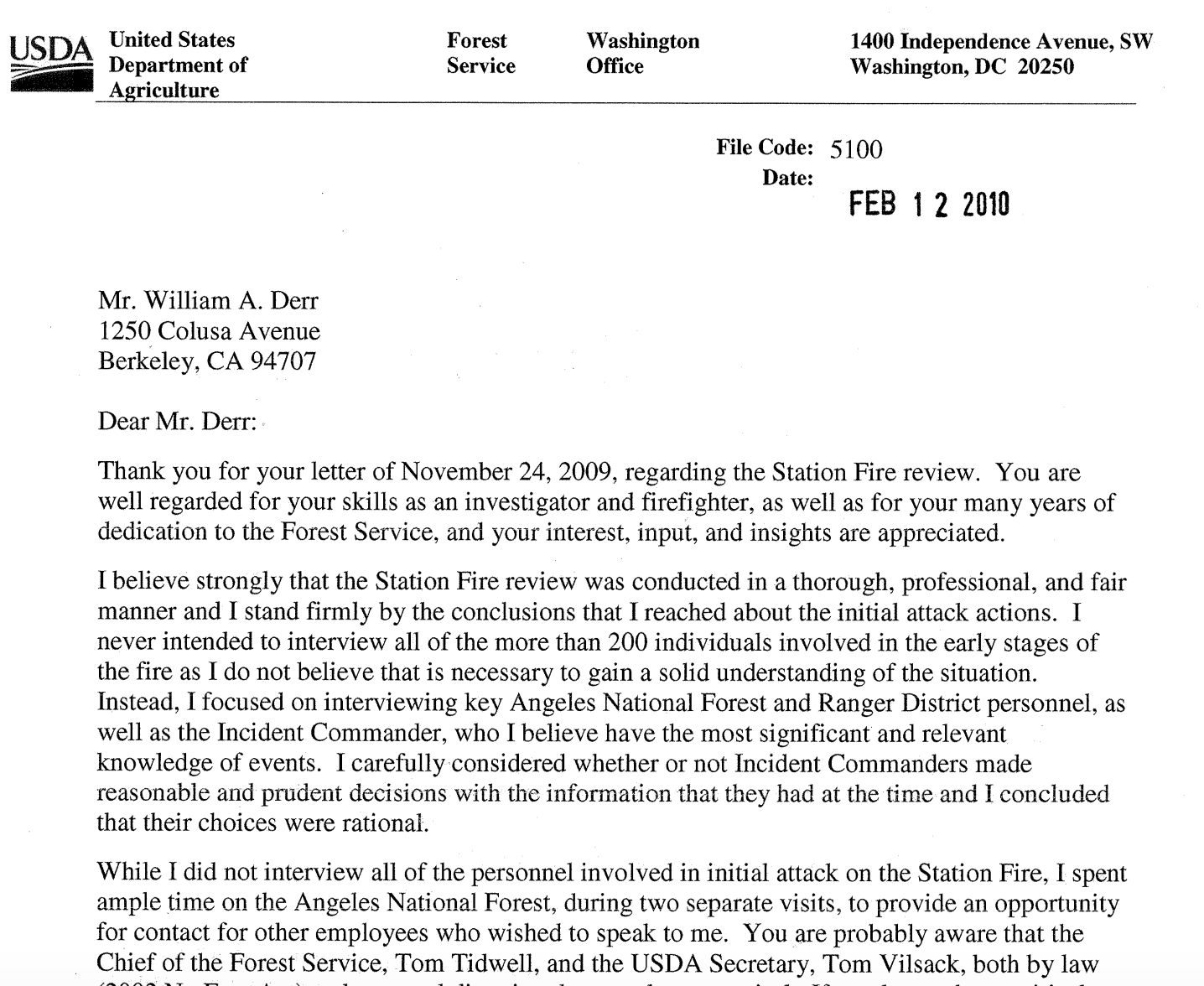
From the Vault: William Derr
William Derr, a retired Forest Service employee raised alarms about the Station Fire review — alleging missed witnesses, inadequate suppression, and a "burning island" left to smolder inside the containment perimeter — the agency's response was swift and dismissive: the review was thorough, no further inquiry was needed. But questions about who was interviewed, who was protected, and who was ultimately accountable remain unanswered
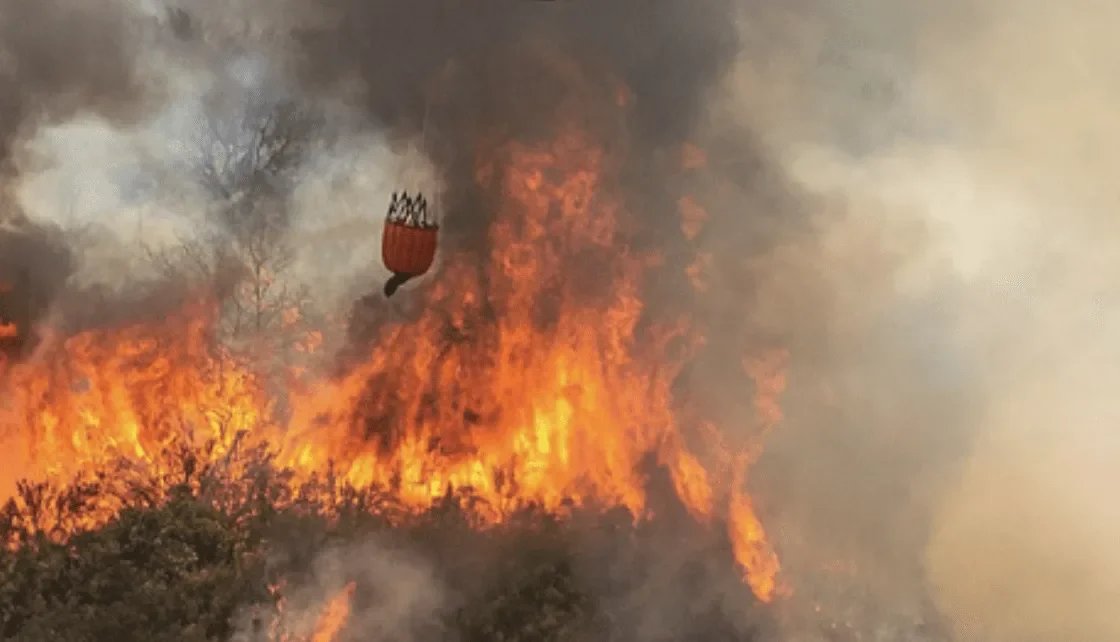
National Wildfire Alliance Calls for Immediate Wildfire Policy Reset
Dana Tibbitts of the National Wildfire Alliance urges a reset of U.S. wildfire policy, calling for aggressive suppression, science‑based fuel reduction, and protection of communities and forests.
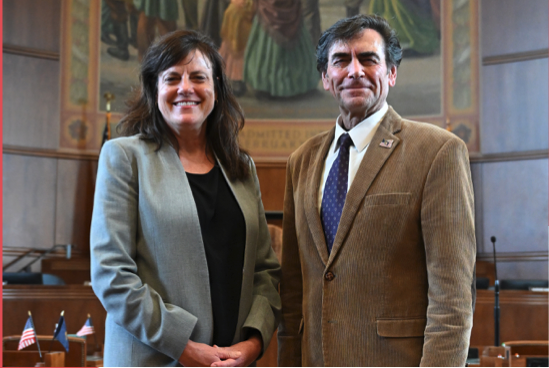
Miles Apart, Working Together:Oregon Lawmakers Bridge the Divide
Oregon Sen. Kathleen Taylor and Rep. Court Boice come from very different districts, but they’ve built a strong partnership around one shared priority: protecting Oregonians from catastrophic wildfire. Working across the rural–urban divide, they’re advancing practical policies to safeguard forests, power infrastructure, and communities statewide.